Slenzer · Bangladesh & UK
From fibre to fabric. From vision to reality.
We turn carefully selected materials into finished garments through precision manufacturing, skilled craftsmanship and meticulous quality control.
Concept film · AI-generated visualisation
Slenzer · Bangladesh & UK
We turn carefully selected materials into finished garments through precision manufacturing, skilled craftsmanship and meticulous quality control.

02 — Raw materials
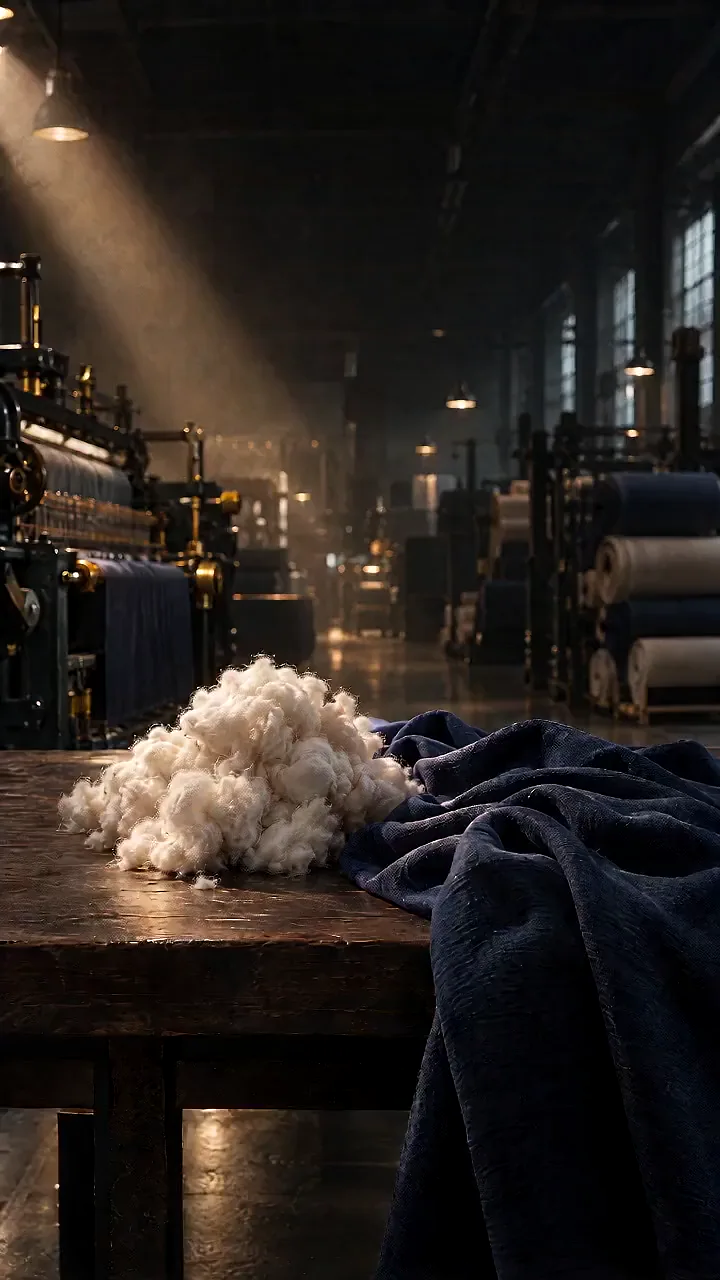
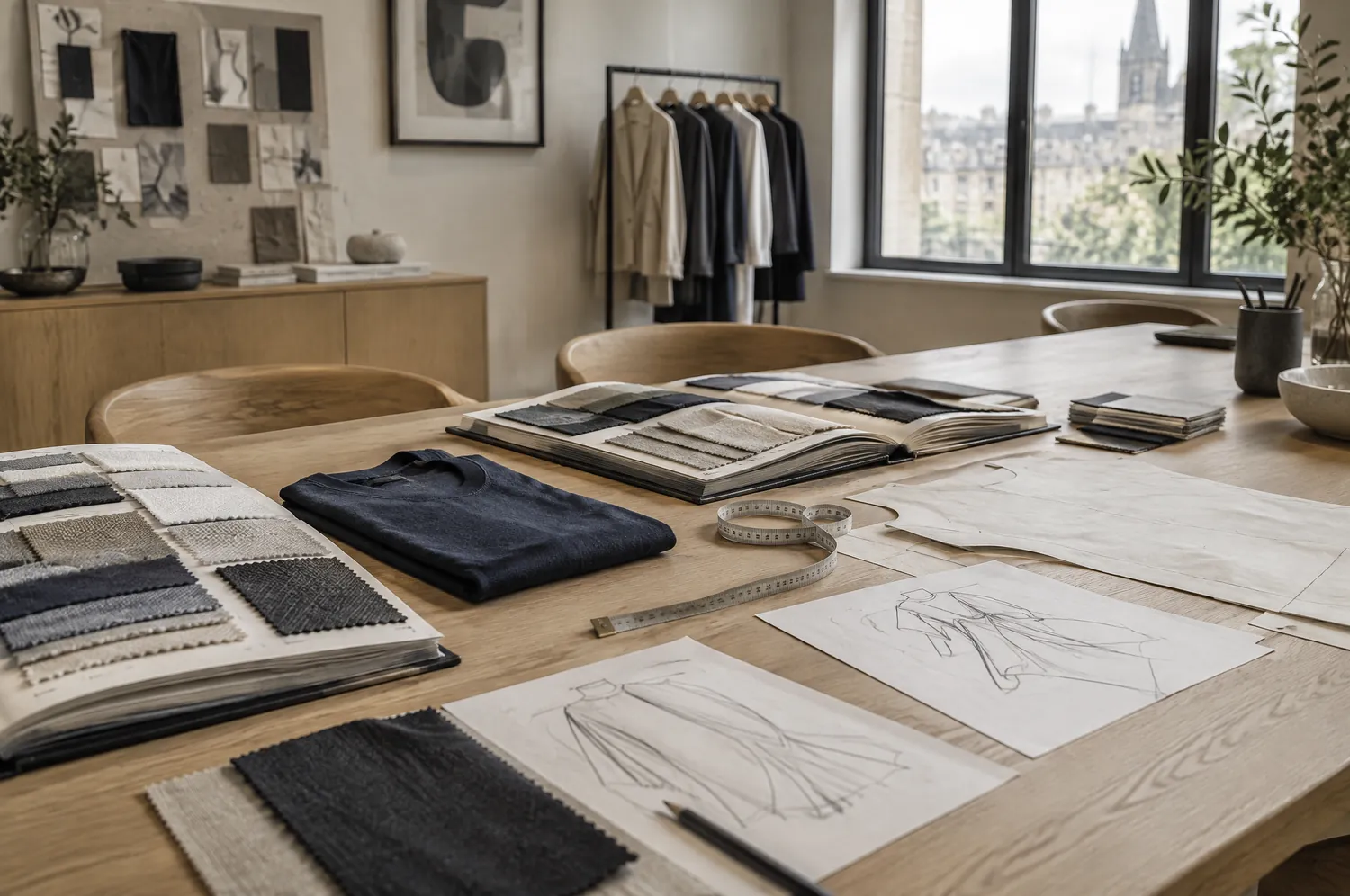
Composition, weight and hand feel are chosen for the garment, not the other way round. Every fabric is matched to how it will be worn.

03 — Spinning
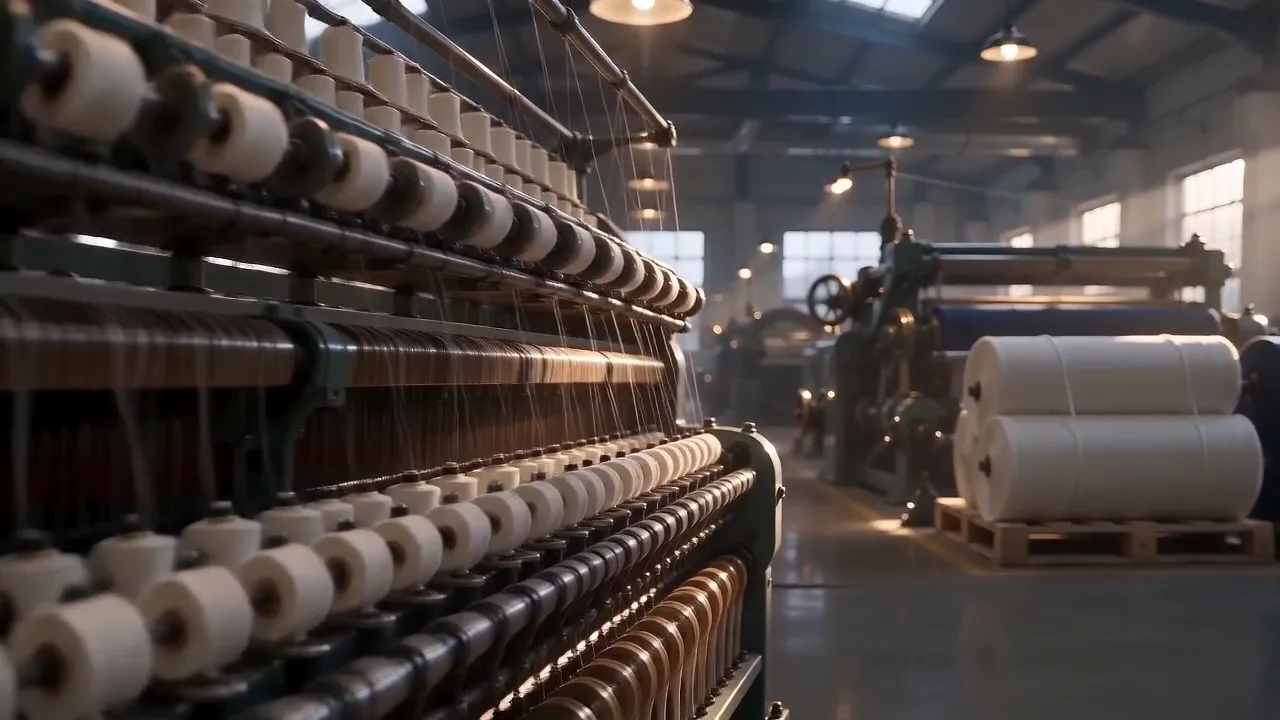
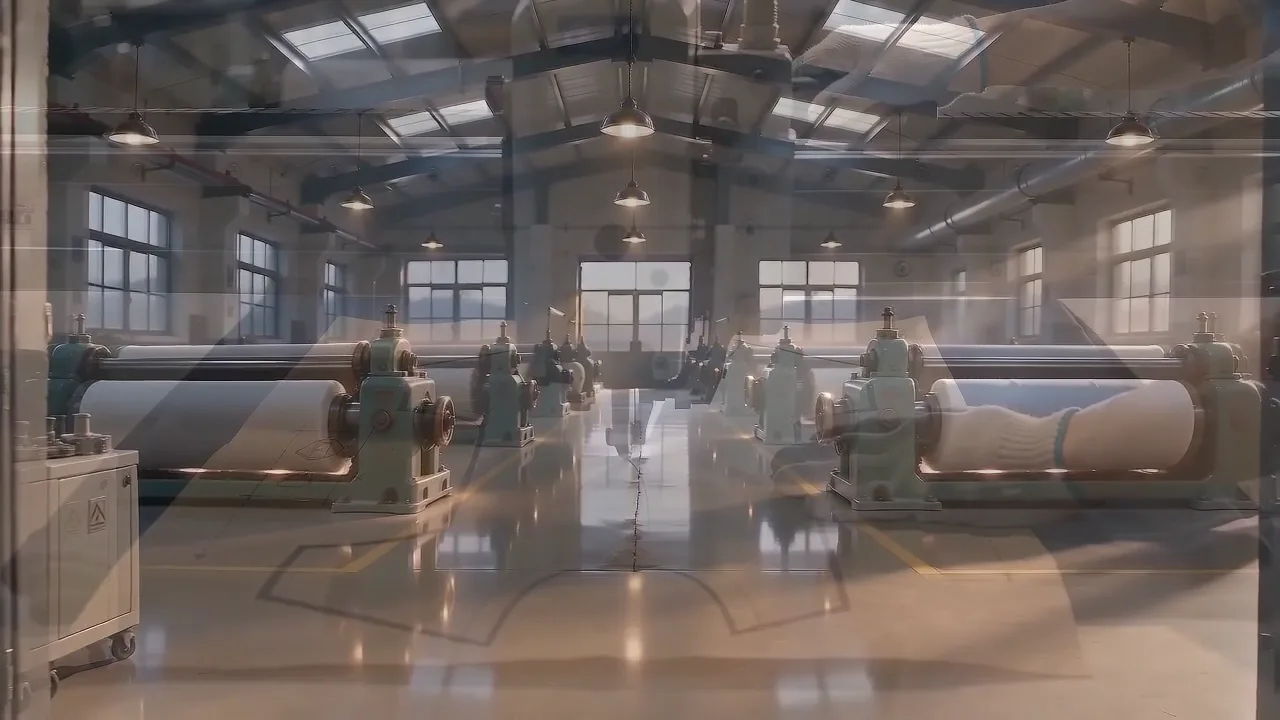
Even twist and consistent count give yarn the strength and regularity a good fabric needs. Spinning in-house means we control it from the first thread.

04 — Knitting
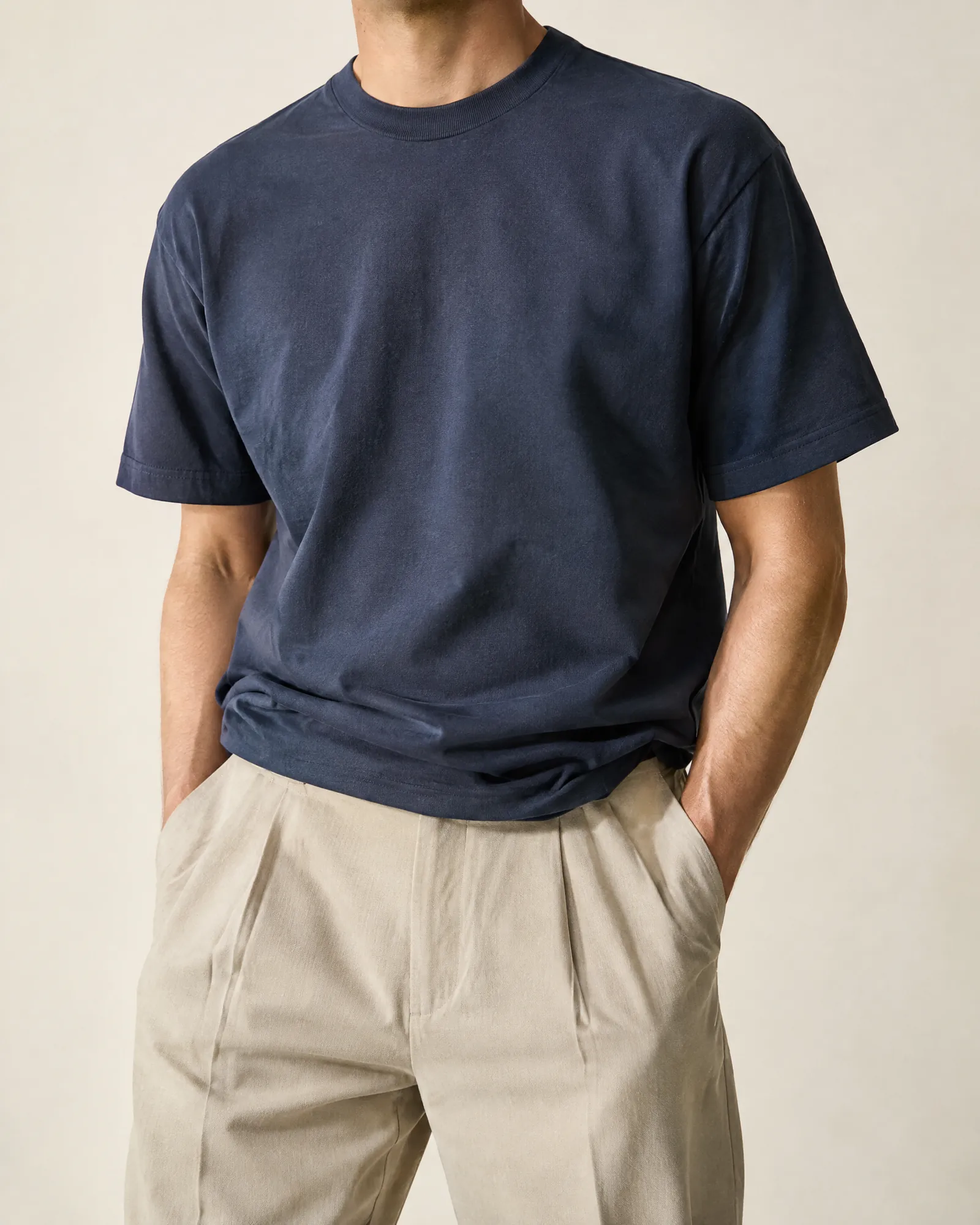
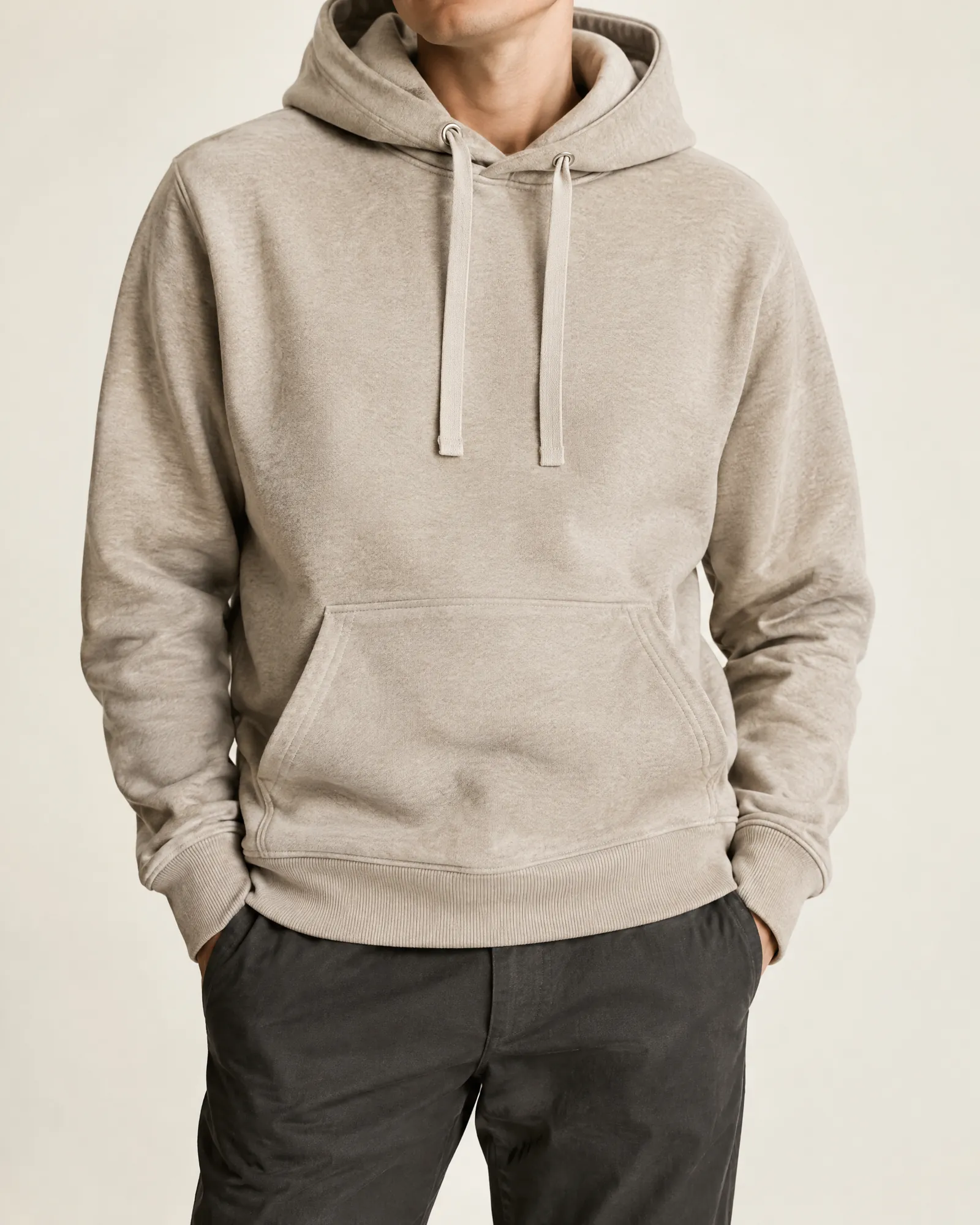
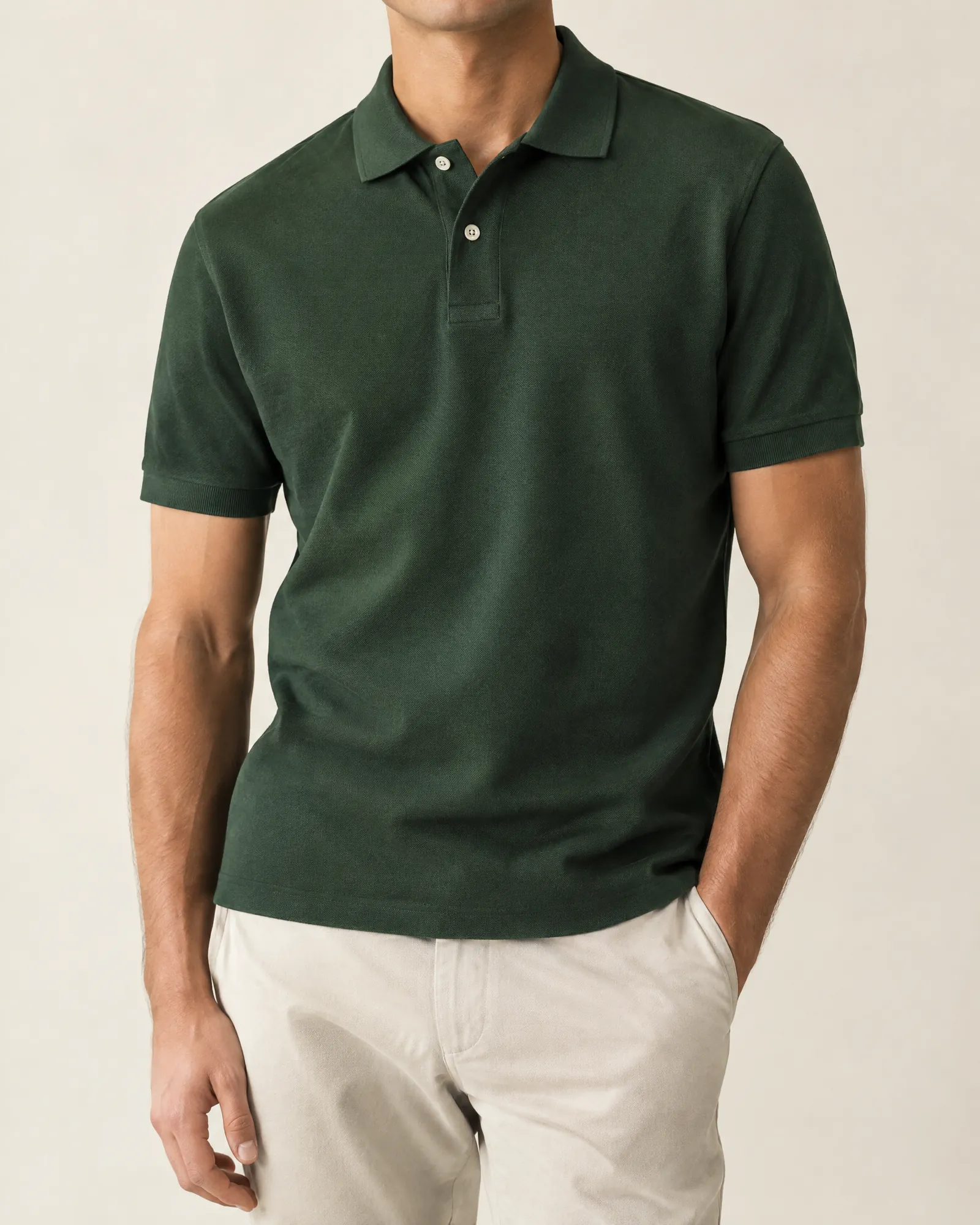
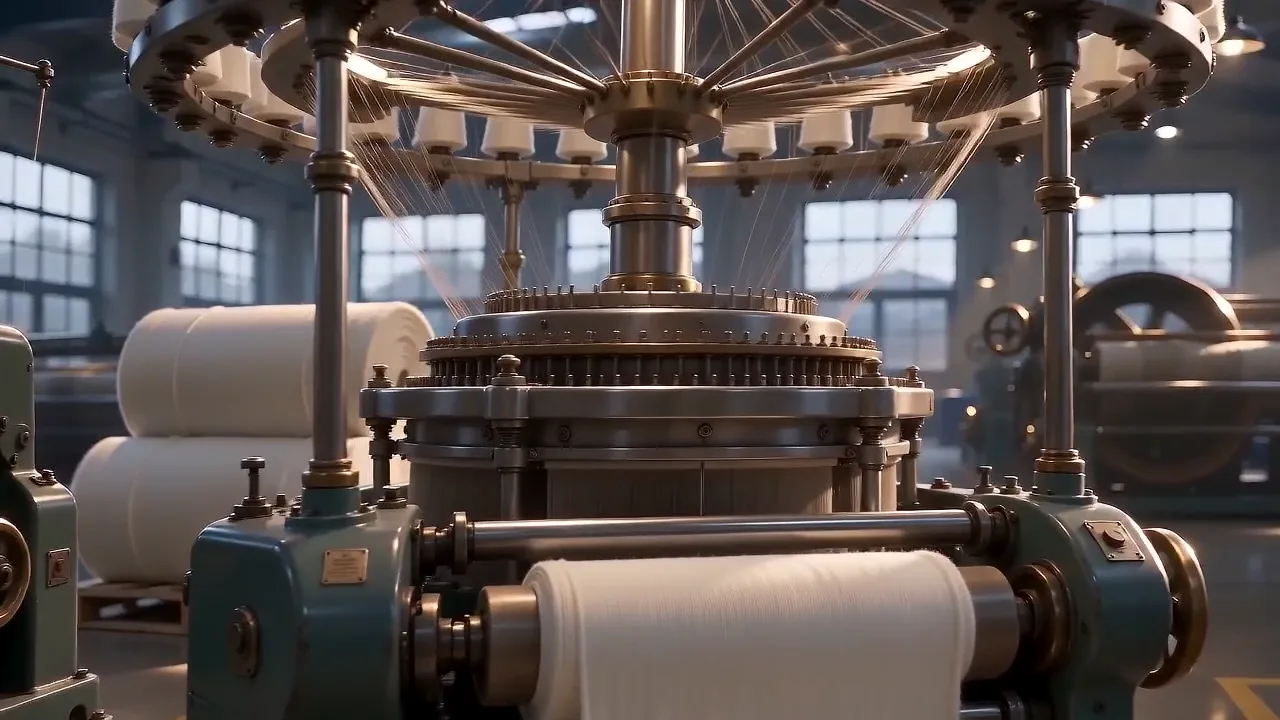
Circular knitting turns yarn into the stretch fabrics behind T-shirts, polos and hoodies: single jersey, rib, interlock and fleece.

05 — Weaving
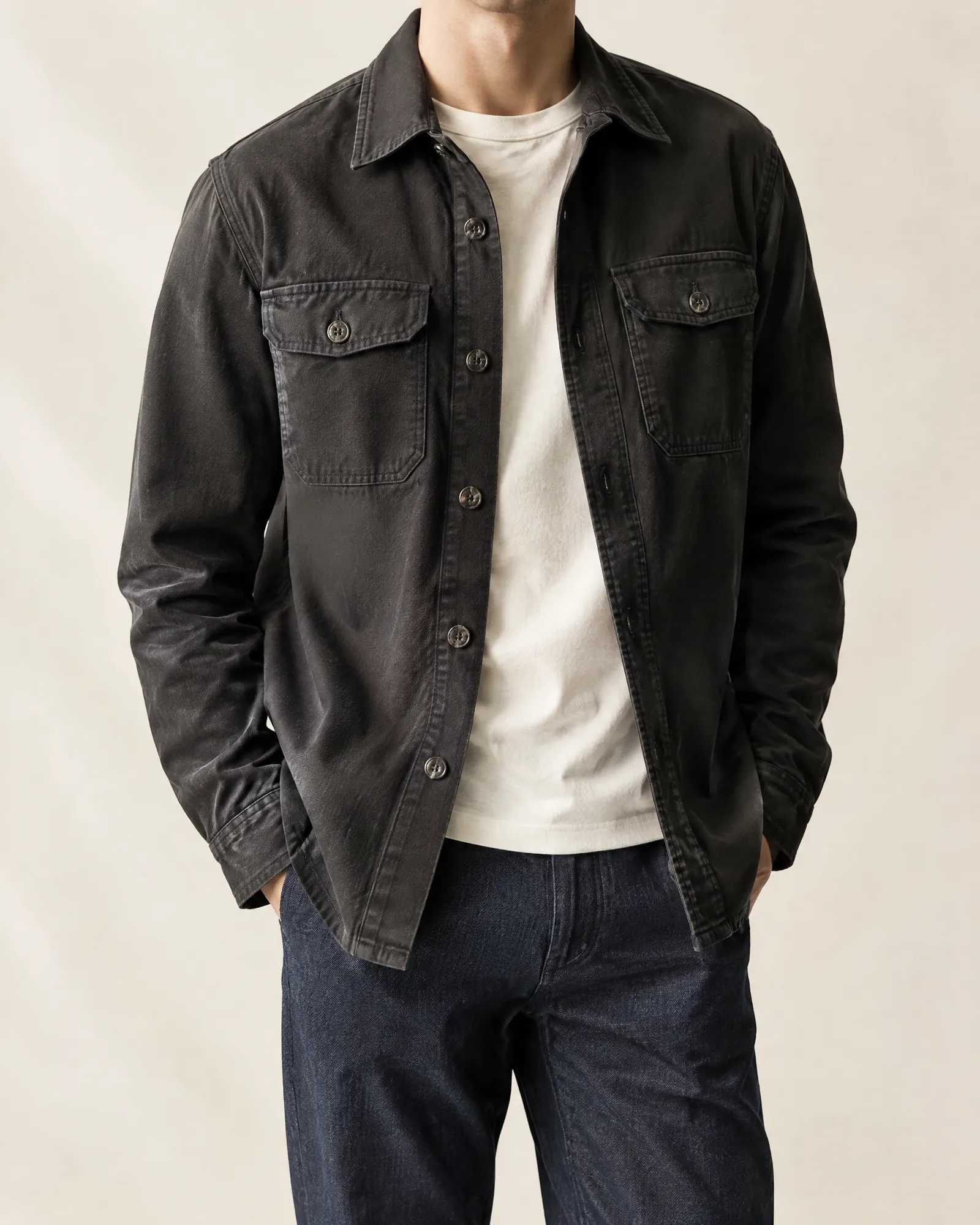
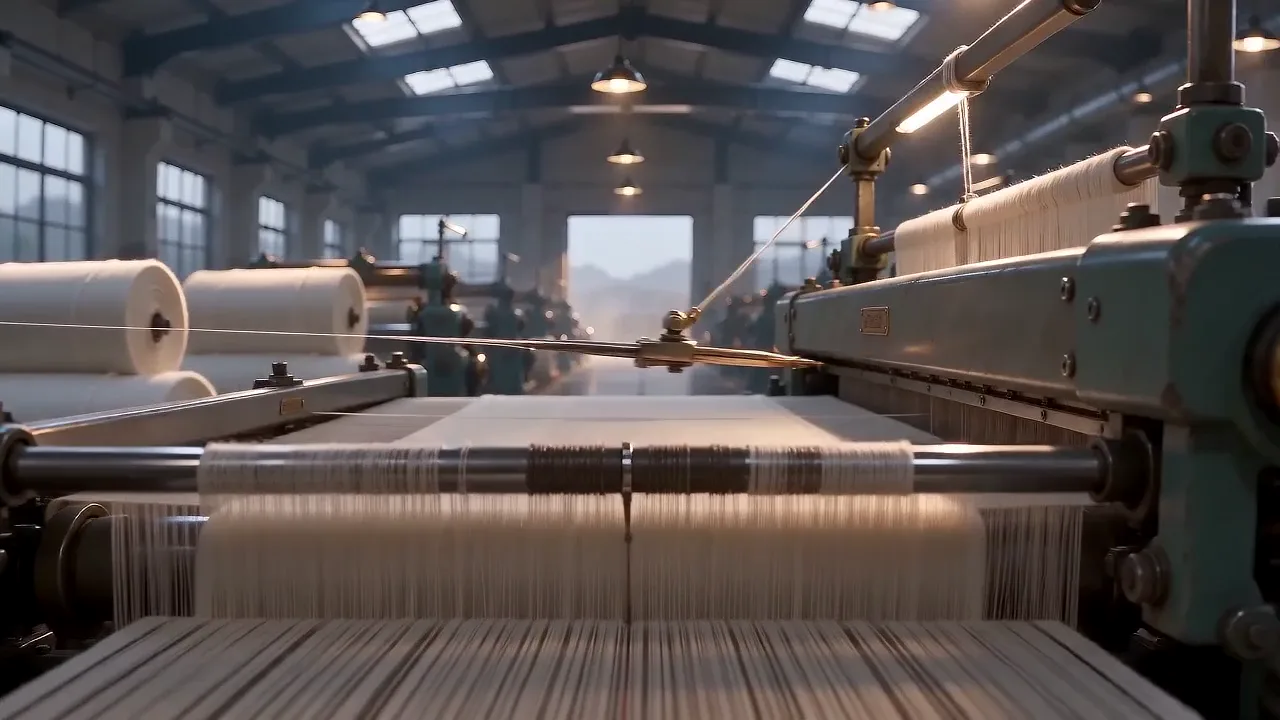
Knit fabric is built from loops. Woven cloth interlaces warp and weft at right angles, giving the stable, crisp base for shirts, overshirts and trousers.

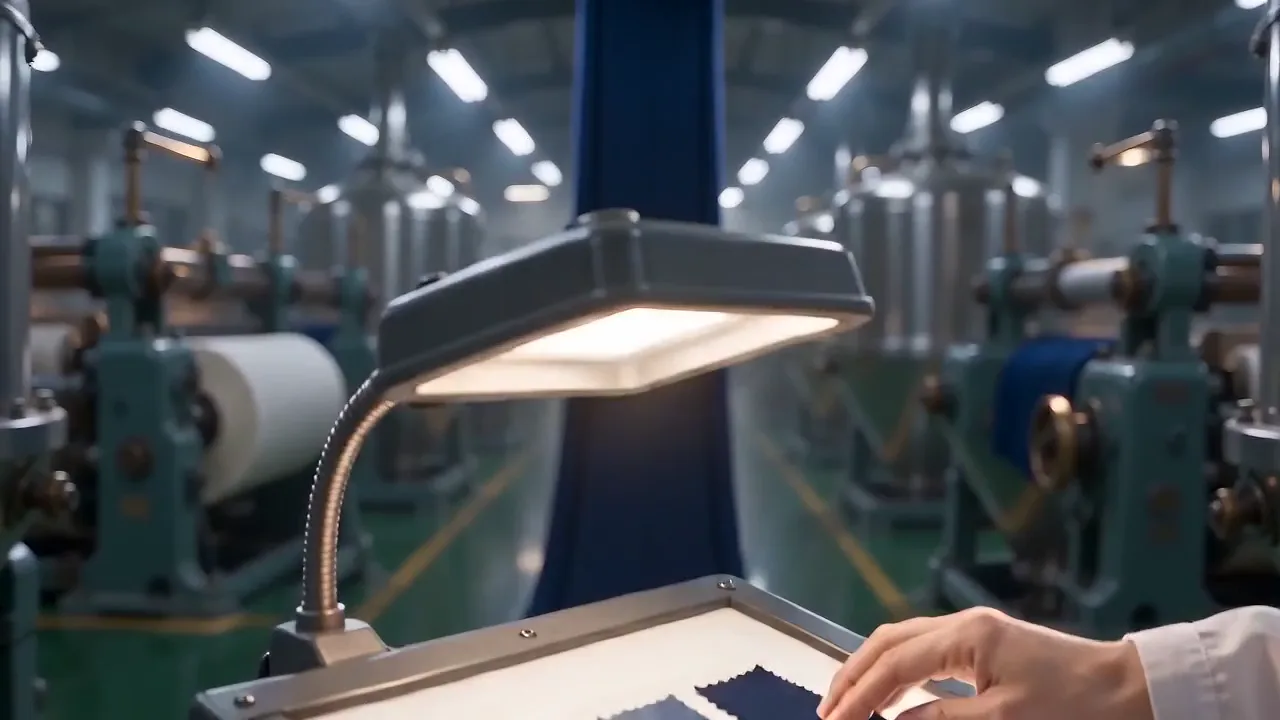
06 — Dyeing & finishing
Lab dips are approved against your reference before bulk dyeing. Washing and finishing then set the hand feel, shrinkage and dimensional stability.

07 — Cutting
Fabric is spread in layers, a marker is planned to make good use of every metre, and panels are cut to the approved pattern.

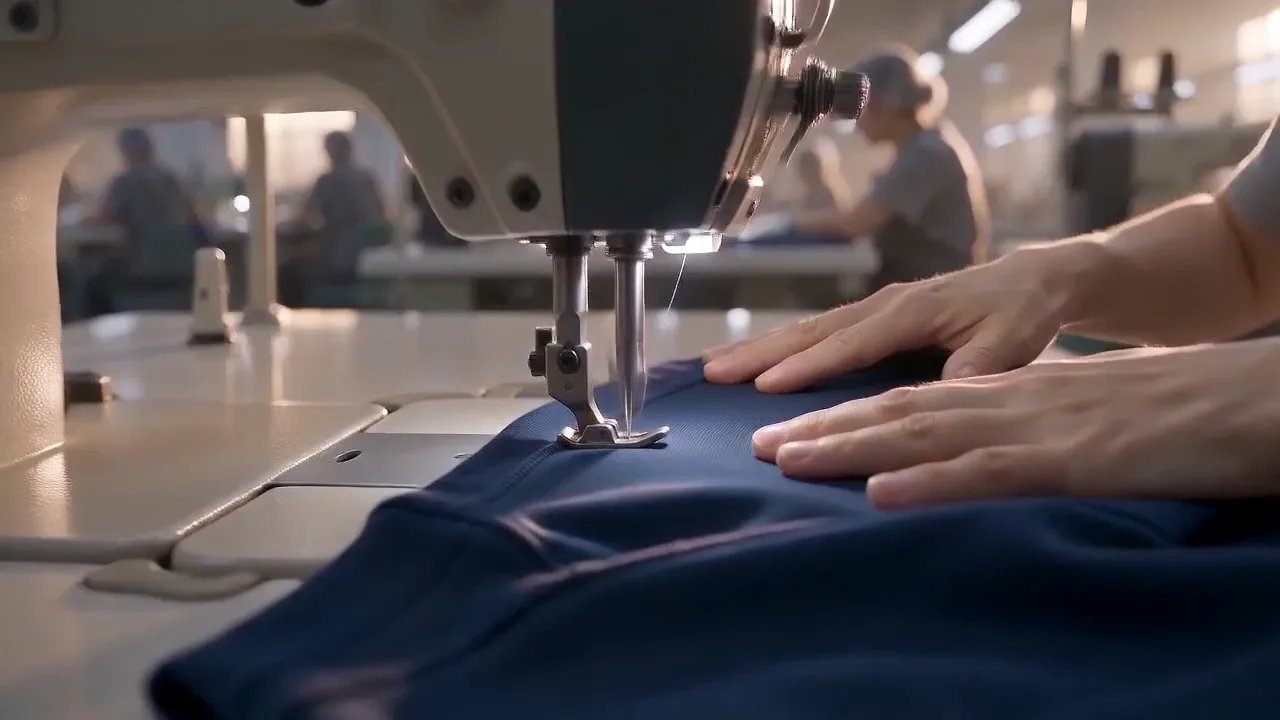
08 — Construction
Skilled operators join, overlock and finish every seam, building necklines, shoulders, hems and cuffs to the approved sample.

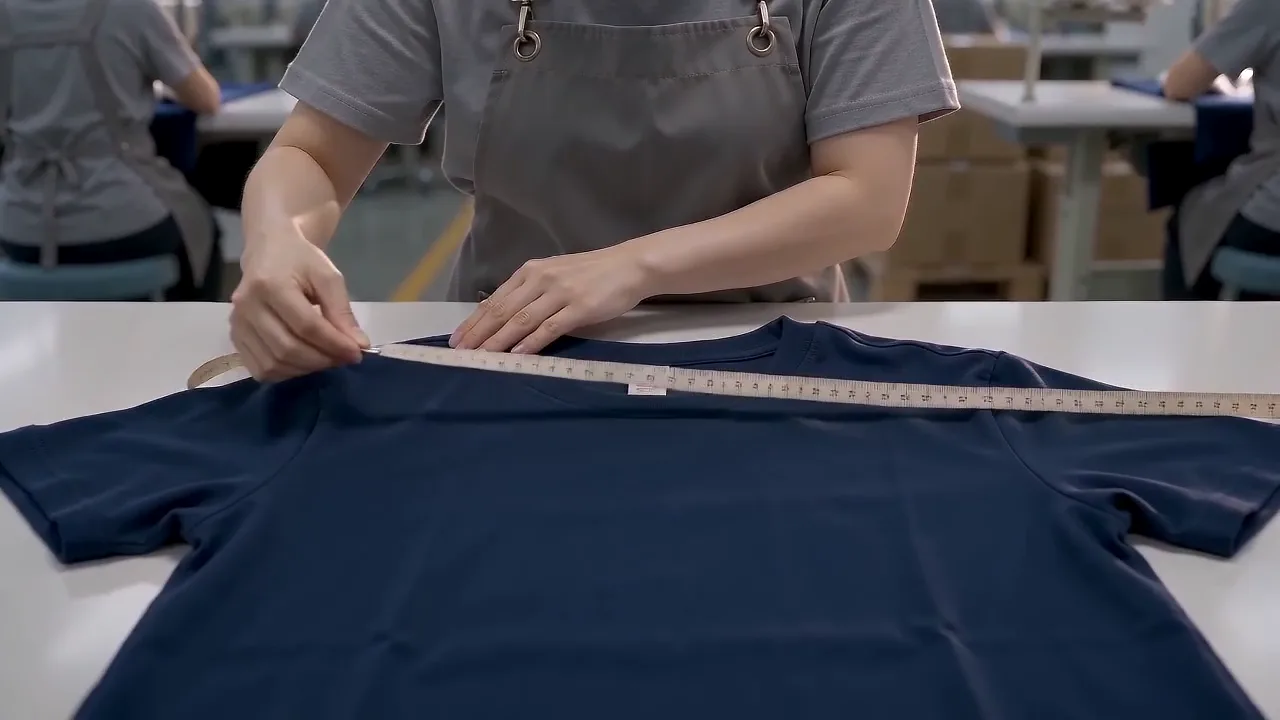
09 — Quality control
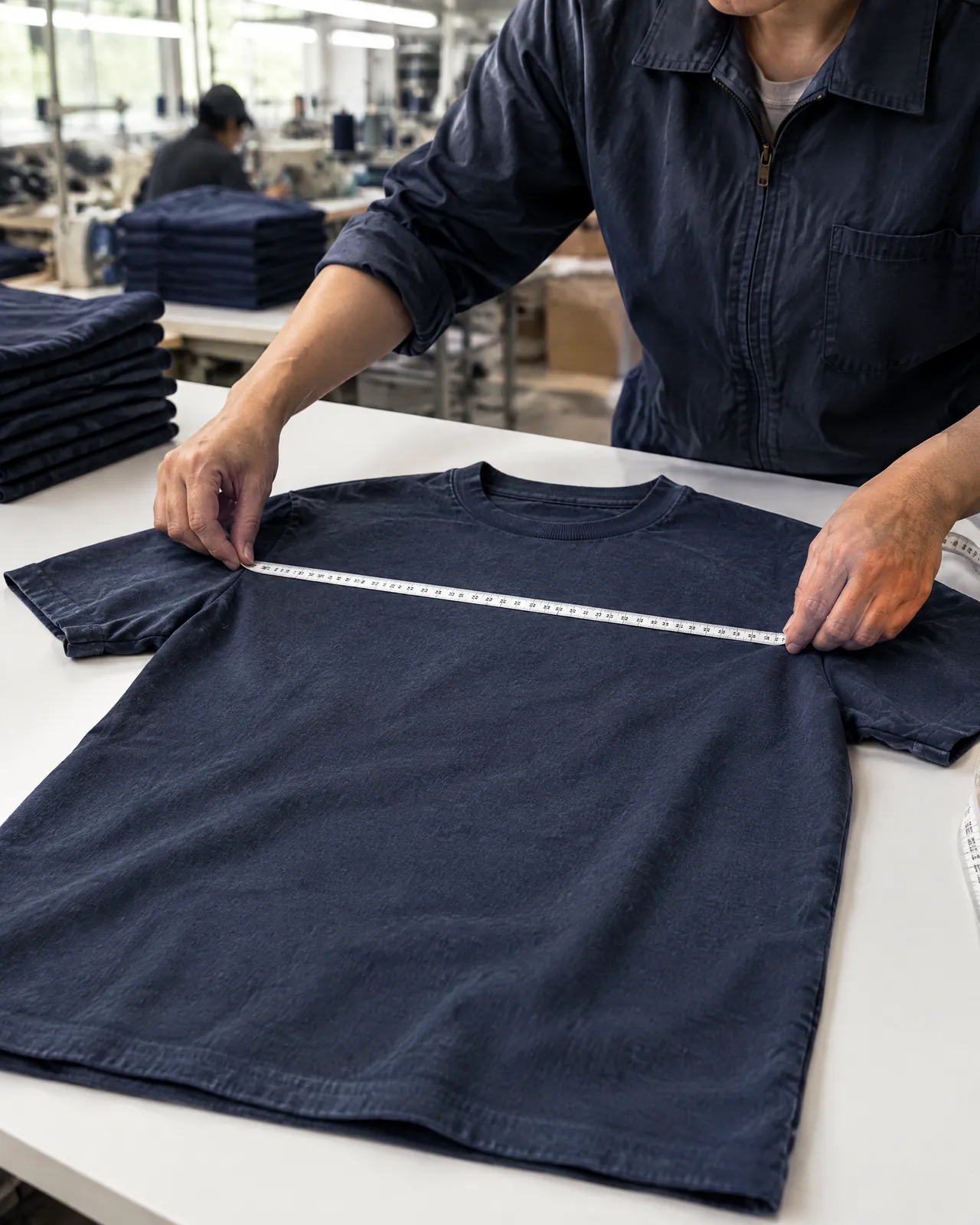
Measurements, seams, fabric appearance, labels and trims are inspected against the specification agreed for your order.

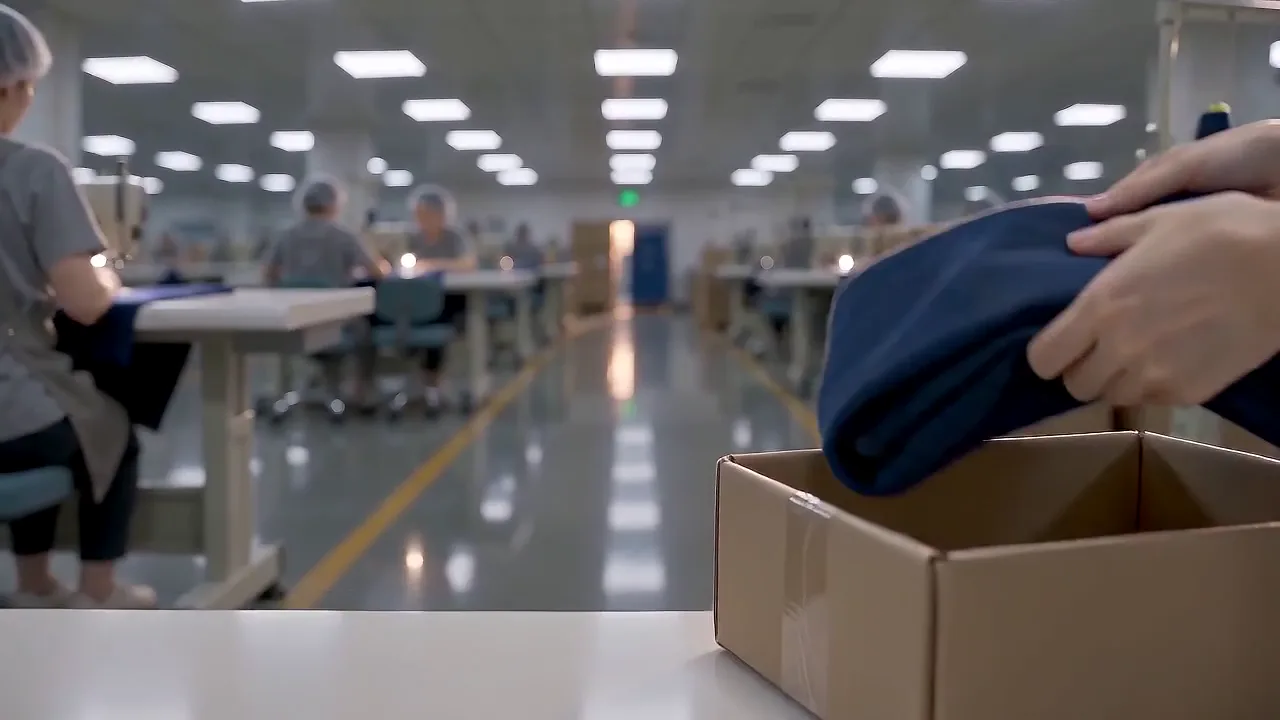
10 — Packed & dispatched
Garments are folded, labelled and packed to your packing instructions, then prepared for shipment.

11 — The finished garment
Bring us a sketch, a sample or a full tech pack. We will take it from fibre to a finished collection.
Bangladesh · Manufacturing
Bangladesh time
Spinning, knitting, weaving, dyeing and finishing, cutting, sewing, quality control and packing.
United Kingdom · UK client office
UK time
Briefs, sampling coordination, account management and approvals.
01Capabilities
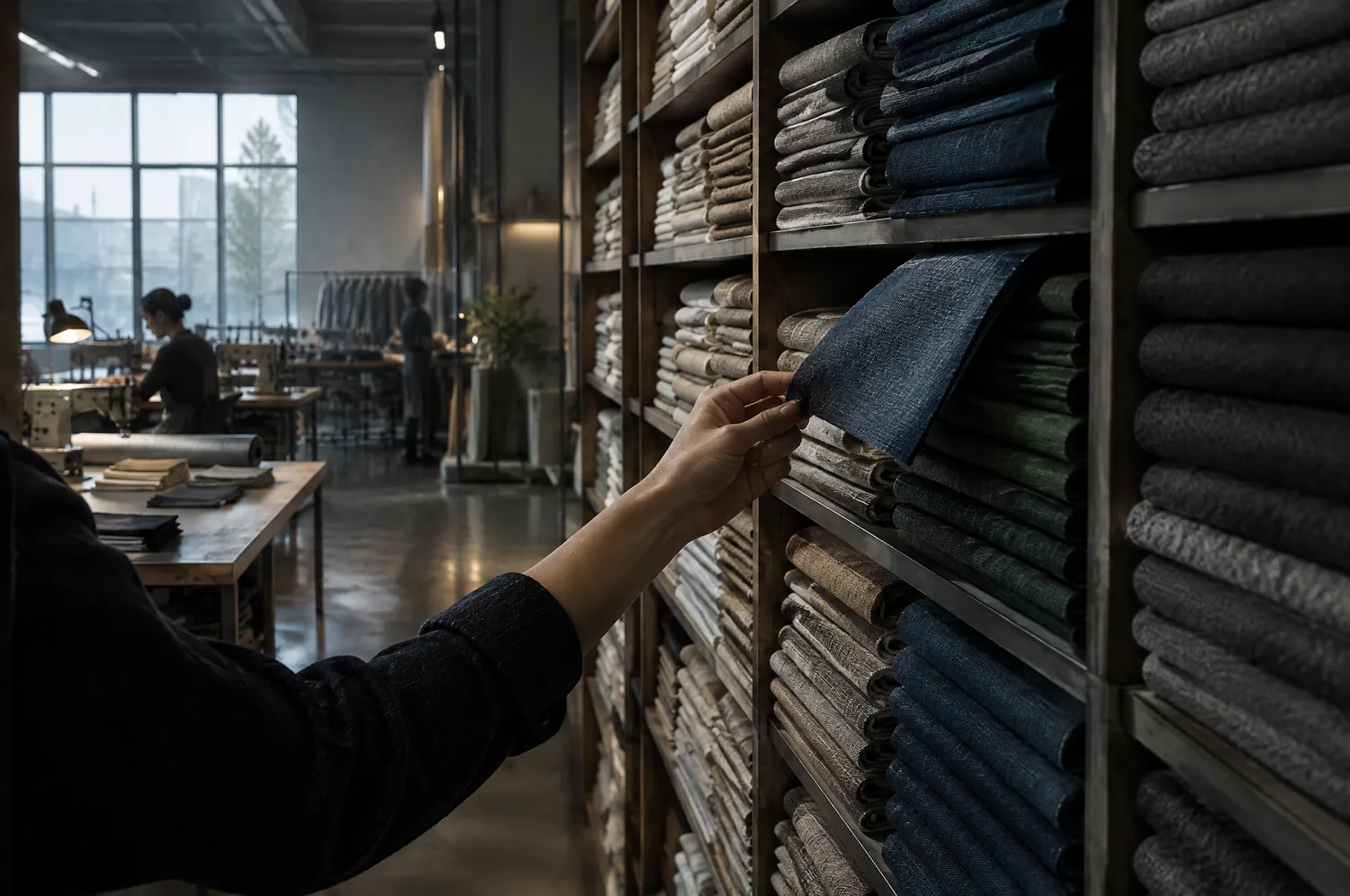
Every stage of production happens in our own facility in Bangladesh. Fewer hand-offs means fewer places for quality, colour or timing to drift.
Cotton fibre drafted and spun into yarn for our knitting and weaving lines.
Circular-knit jersey, rib, interlock and fleece for T-shirts, polos and sweatshirts.
Woven cloth such as poplin, twill and oxford for shirts, overshirts and trousers.
Lab dips, bulk dyeing, washing and finishing to set colour, hand feel and stability.
Ply spreading, marker planning and cutting to the approved pattern.
Lockstitch, overlock and coverstitch construction on organised production lines.
Inline and final checks against the measurements and construction agreed for your order.
Labels, swing tags, folding and carton packing to your instructions.
Also available
02Portfolio
Sample projects that follow a garment from fabric to finished piece. They are design concepts that show our process, not client commissions.
03Working with us
Your UK contact stays with you from the first conversation to delivery, while the factory team owns the making.
01
UK office
Share your idea, a reference garment or a tech pack. We talk through fit, fabric, quantities and timing, then confirm what is realistic.
02
UK office + factory
We propose fabric constructions, weights and finishes, then send swatches and lab dips for your approval.
03
UK office + factory
A sample is made to your spec. You review fit and construction, and we revise until it is approved. Bulk production waits for your sign-off.
04
Factory
Yarn, fabric, trims and line time are planned against your approved sample, with a written schedule you can hold us to.
05
Factory
Spinning to packing in our own facility, with progress updates from your UK contact.
06
Factory
Inline and final inspections against the agreed measurements, construction and appearance standards.
07
UK office
Packed to your instructions and prepared for shipment, with your UK contact coordinating the hand-over.
04Materials & craftsmanship
Fabric weight, a neckline that lies flat, a hem that does not twist: small decisions that decide whether a garment is worn for a season or for years.
Typical ranges for orientation. Your final fabric and weight are agreed per style.
Typical fabric Single jersey
Typical fabric Piqué
Typical fabric Fleece / French terry
Typical fabric Poplin / oxford (woven)
Typical fabric Twill / canvas (woven)
Typical fabric Twill / chino (woven)
Pick a weight to add it to your brief.
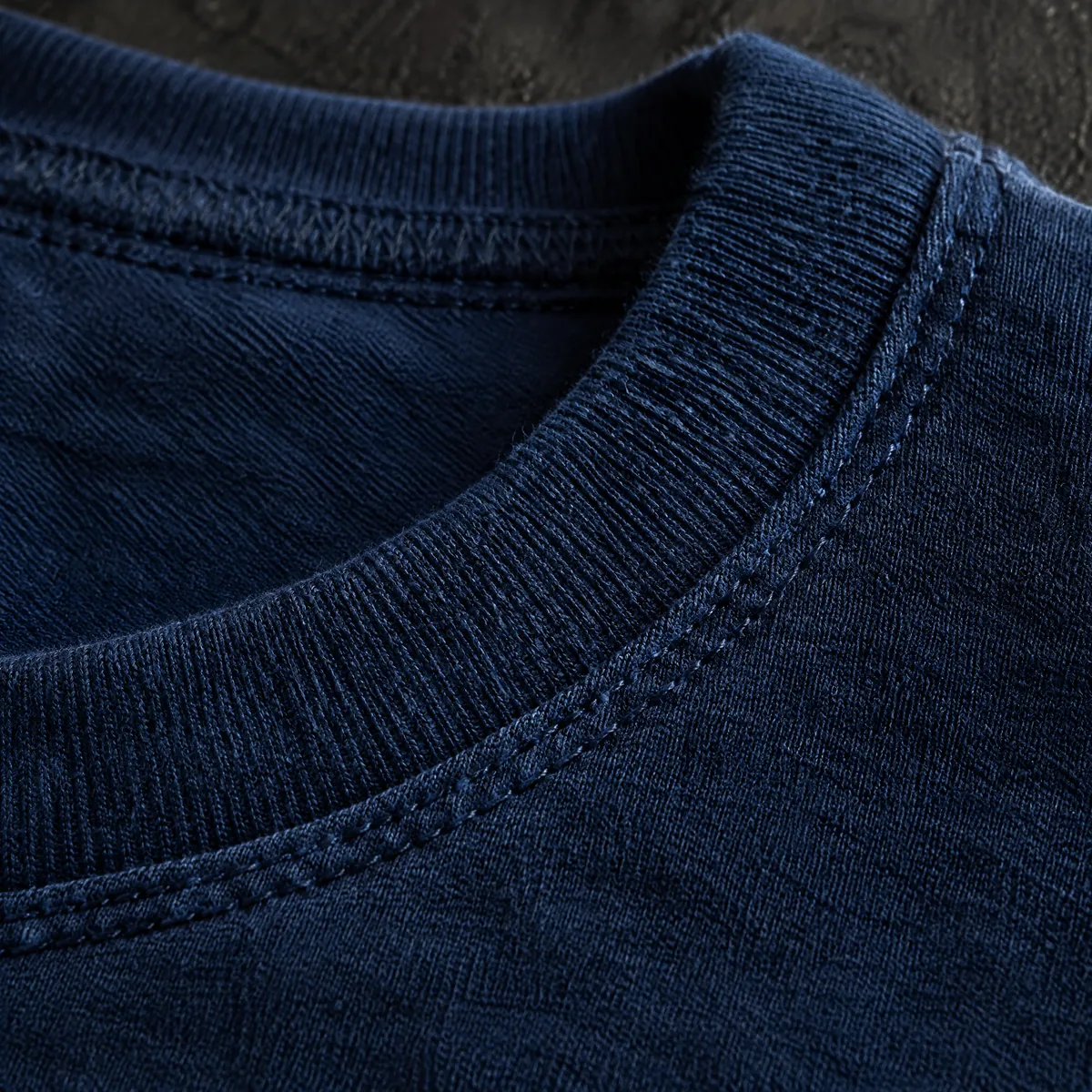
Attached under even tension and coverstitched, so it lies flat and recovers after washing.
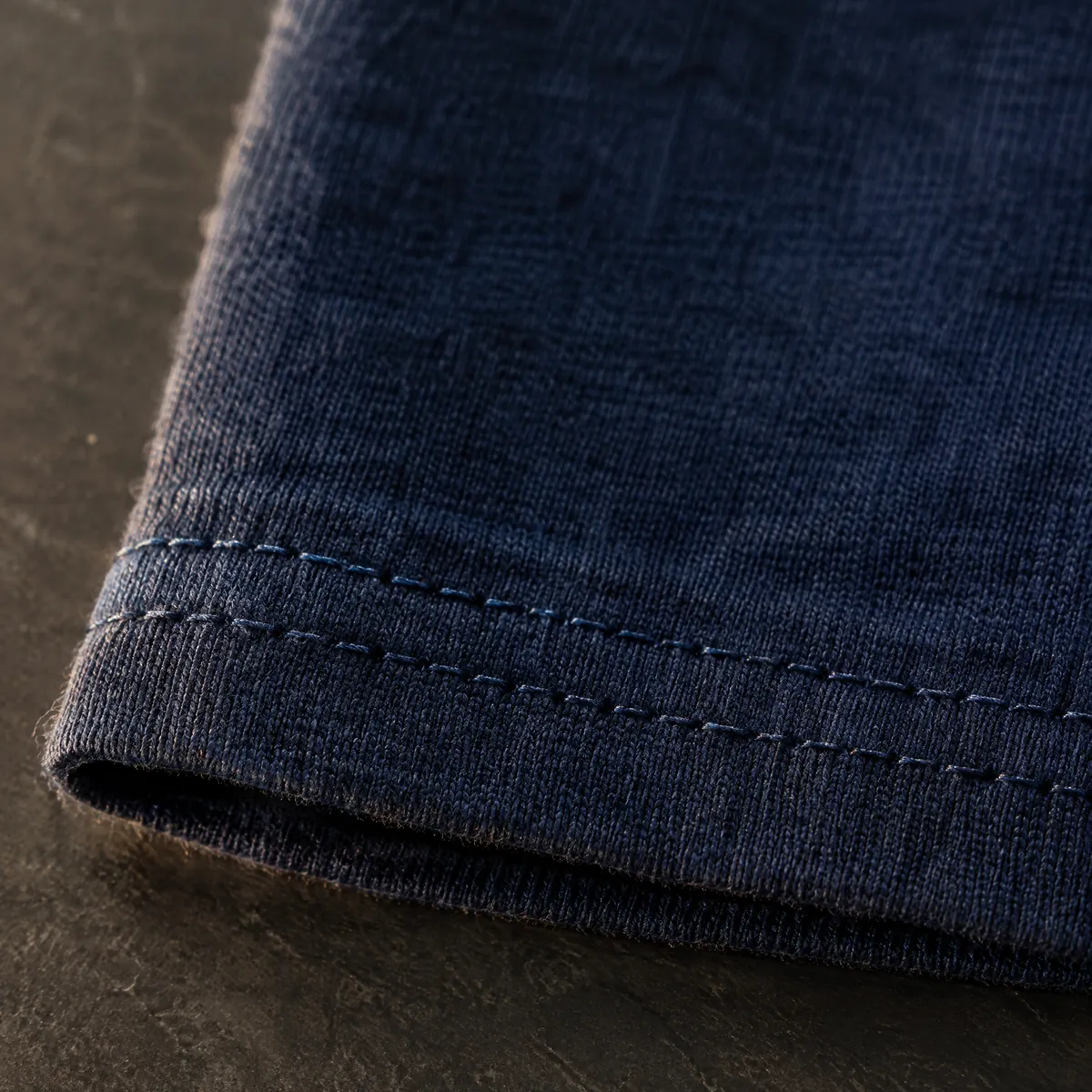
Two parallel rows of stitching that keep hems flat and resist twisting.
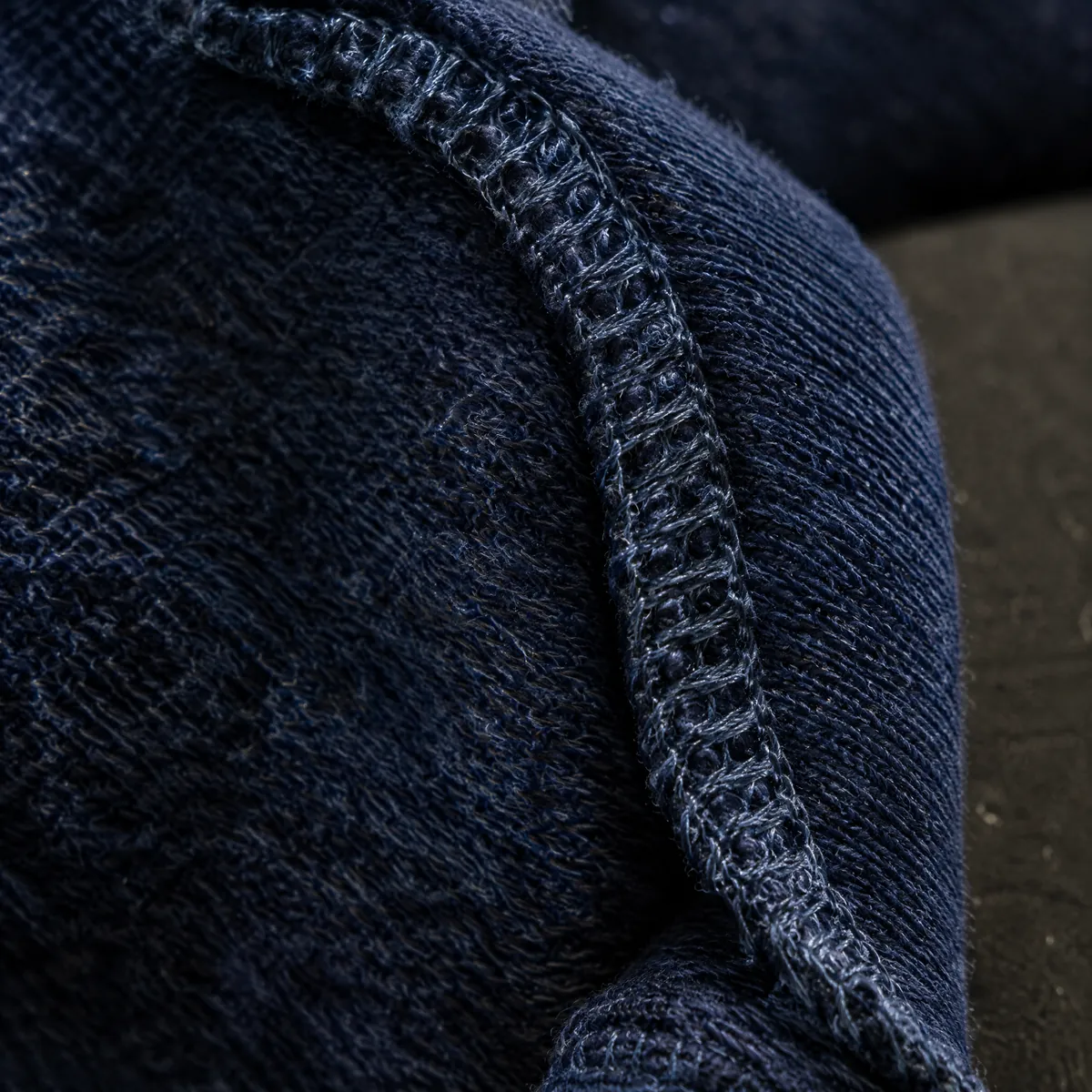
Joins and finishes the edge in one pass. Used on knit garments because it stretches with the fabric.
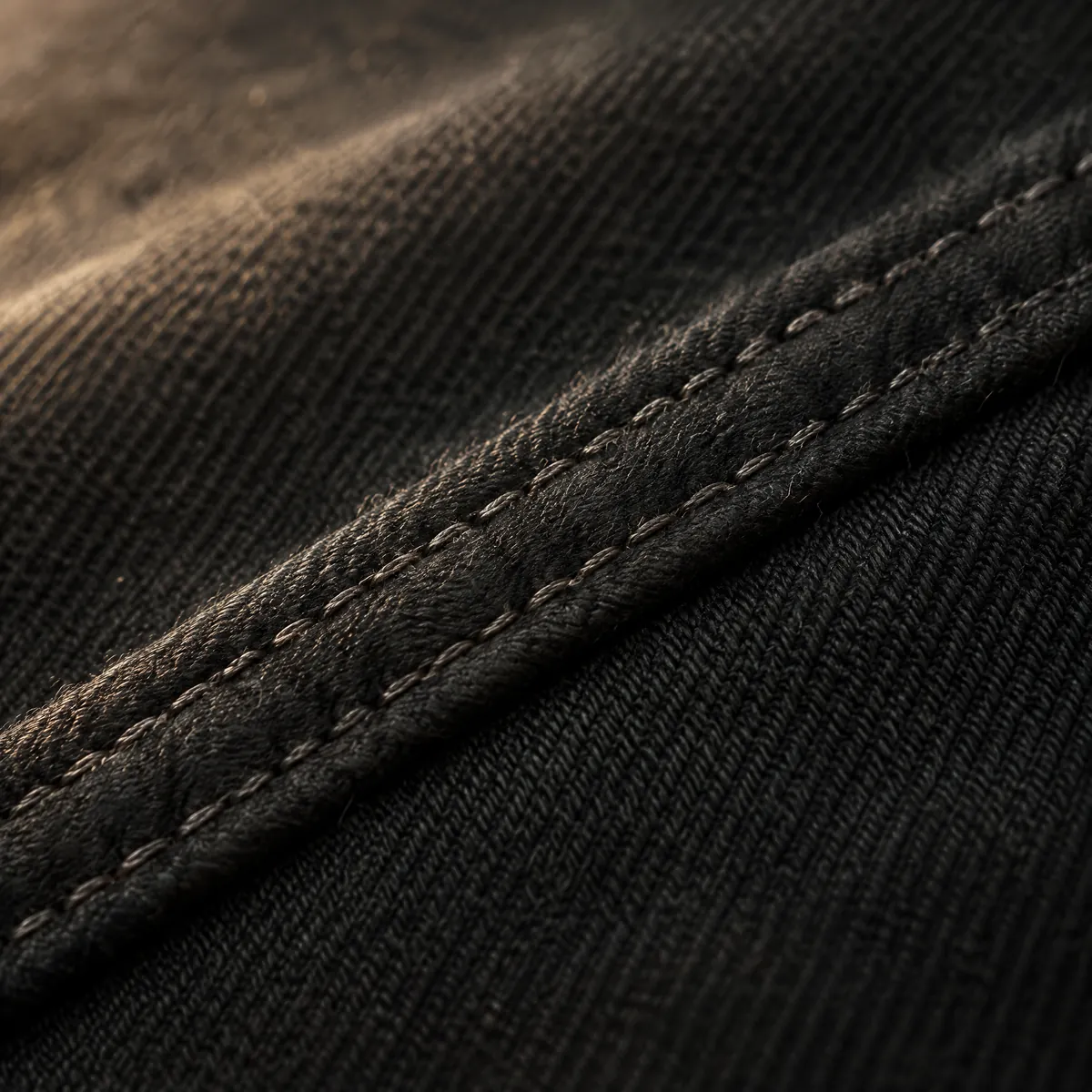
Encloses every raw edge for strength and a clean inside. The classic seam on quality woven shirts.
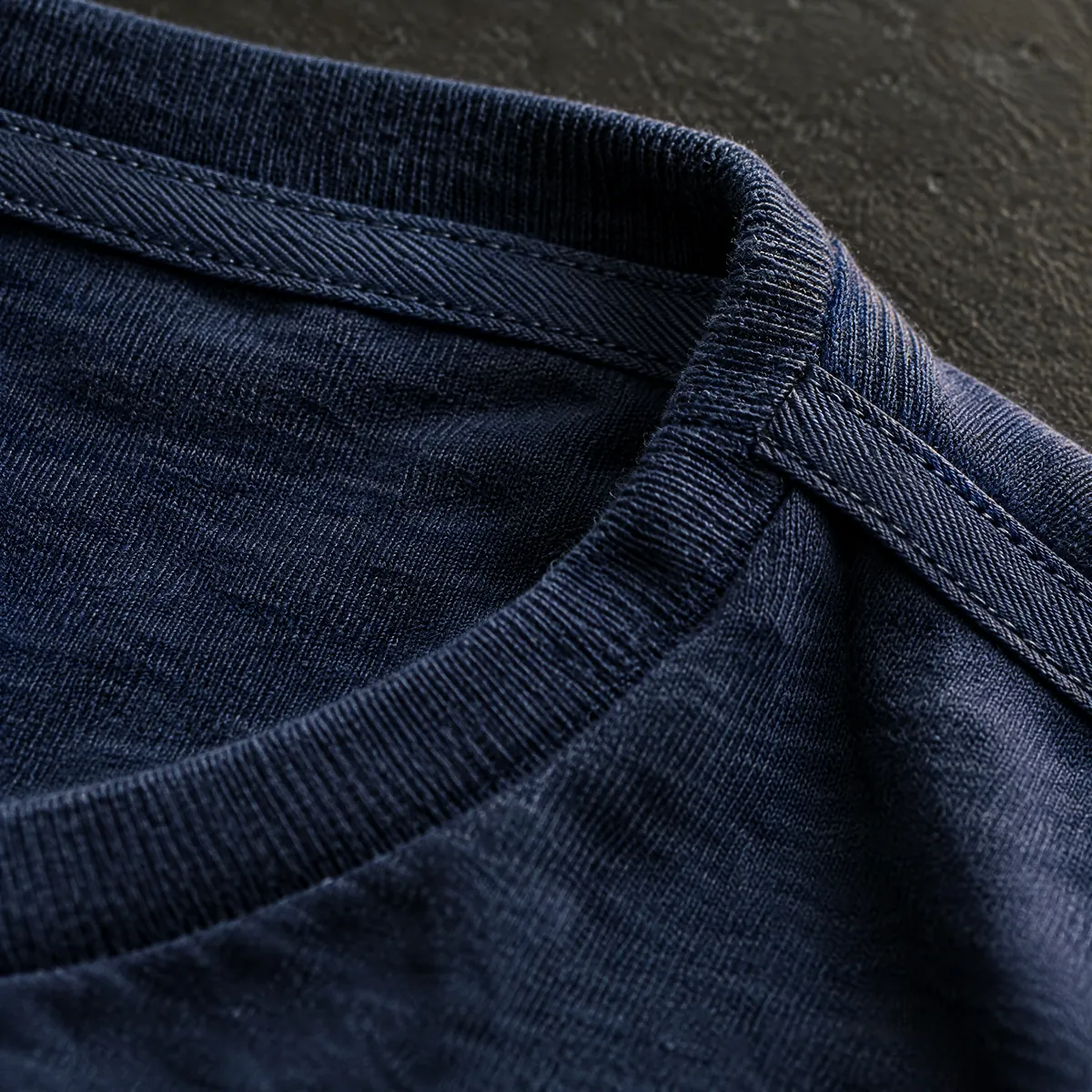
A tape across the shoulder seam stops it stretching out of shape over time.
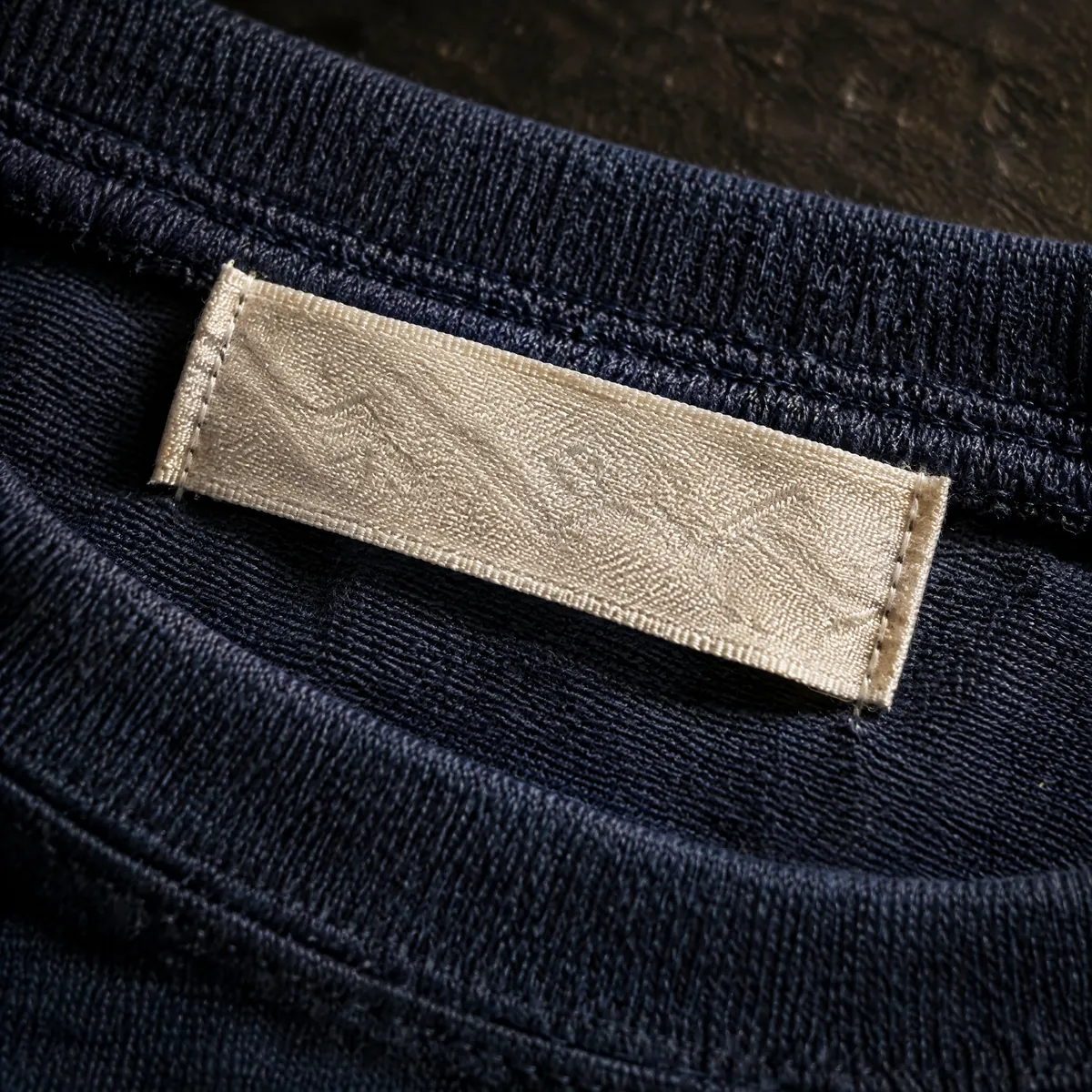
Woven labels, care labels and swing tags placed and stitched to your specification.
05Quality control
The exact checks, tolerances and inspection levels follow the specification agreed for your order. These are the points we build them around.
Incoming fabric checked for appearance, shade and weight before cutting.
Lab dips and bulk shade matched to your approved reference.
A sample from bulk materials approved before the line starts.
Seams and construction checked on the line, not only at the end.
Key points of measure checked against your size spec.
Stitch quality, labels, trims and print placement verified.
Finished garments reviewed for overall appearance and finish.
Folding, labelling and carton contents checked against your packing list.
06Why Slenzer
Spinning, knitting, weaving, dyeing, cutting, sewing and packing in one facility, with no hidden subcontracting chain.
Briefs, approvals and problem-solving with someone who works your hours.
Bulk production starts only after you approve a sample, so you see the garment before you buy the run.
We show you how a garment is built: seams, necklines, hems and trims, not just a photograph.
Specs, prices, quantities and schedules confirmed in writing before production starts.
If a style is not right for our lines, we will tell you early rather than after the sample.
07About Slenzer
Slenzer brings a vertically integrated manufacturing operation in Bangladesh together with a client office in the United Kingdom, so brands get the depth of an integrated mill and a partner who works their hours.
You have an unfinished brief saved on this device.